

Nylon Fabric in 2026: The High-Performance Workhorse Transforming Sustainable Fashion

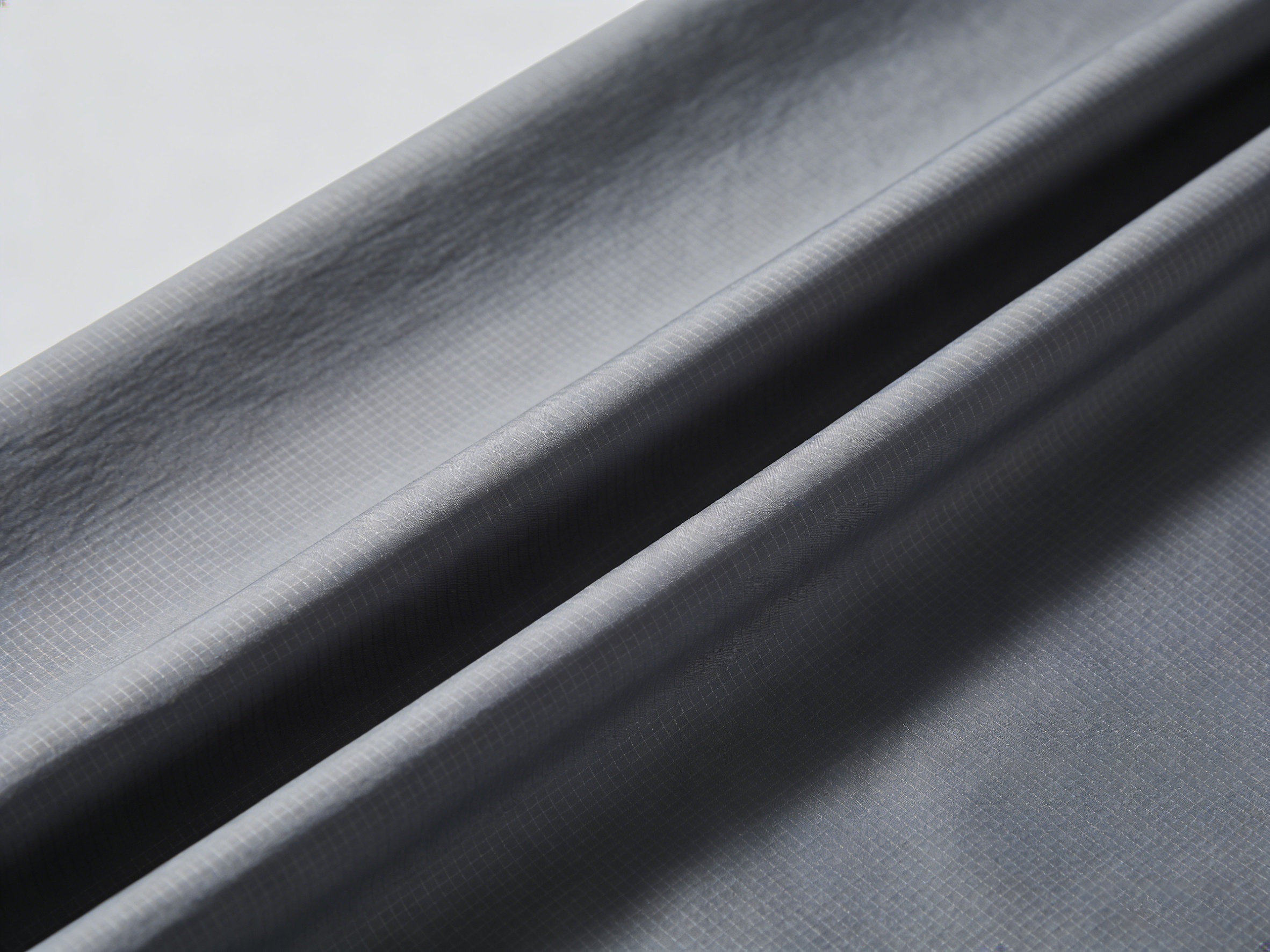
Just days ago, at the latest Première Vision exhibitions in Paris and Milan, one message resonated across every hall: the future of textiles belongs to materials that refuse to compromise . As the industry pivots toward a “sustainability × functionality” dual-engine model, few materials are as perfectly positioned as nylon .
Once relegated to parachutes and pantyhose, nylon has undergone a remarkable renaissance. Today’s nylon—whether recycled, bio-based, or hyper-engineered for specific performance needs—is quietly powering everything from luxury activewear to mission-critical outdoor gear. With the global nylon fiber market projected to grow from $89.3 billion in 2026 to $145.7 billion by 2034, this synthetic powerhouse deserves a closer look .
What Exactly Is Nylon?
Nylon is a synthetic polymer belonging to the polyamide family, first developed by DuPont in the 1930s as a replacement for silk . It holds the distinction of being the world's first fully synthetic fiber .
Created through melt spinning processes that transform petroleum-based compounds into long, continuous filaments, nylon's molecular structure gives it an extraordinary combination of properties :
-
High mechanical strength with an exceptional strength-to-weight ratio
-
Excellent abrasion and wear resistance
-
Good elasticity—it stretches under stress and returns to original shape
-
Resistance to oils, chemicals, and temperature fluctuations
The Many Faces of Nylon: Understanding the Types
Not all nylon is created equal. For designers and buyers, understanding the distinctions is crucial:
| Type | Key Properties | Best Applications |
|---|---|---|
| Nylon 6 | Balance of toughness, flexibility, thermal stability; high impact resistance; good machinability | Textiles, carpets, molded components, clothing |
| Nylon 6,6 | Exceptional tensile strength; high melting point (~265°C); outstanding thermal stability | Automotive engine components, industrial gears, outdoor gear, structural parts |
| Nylon 11 | Bio-based (castor oil); low moisture absorption; superior flexibility at low temperatures; excellent chemical resistance | Fuel lines, pneumatic tubing, marine components, food processing equipment |
| Nylon 12 | Lowest moisture absorption among nylons; excellent flexibility; high dimensional stability | 3D printing, medical devices, flexible hoses, automotive sensors |
Breaking News: The 2026 Nylon Innovations You Need to Know
The first quarter of 2026 has already delivered significant developments in nylon technology:
1. Bio-Based Nylon Goes Mainstream
In January 2026, Sumec Textile & Light Industrial's bio-based nylon three-layer bonded冲锋衣 fabric was officially included in the Nanjing Municipal Innovative Products Catalog . This groundbreaking material features:
-
A face fabric made from bio-based polymer materials—lightweight yet高强度
-
A mid-layer bio-based PU high waterproof breathable membrane
-
A third-layer ultra-thin 10D recyclable nylon special fabric
Compared to traditional petroleum-based alternatives, this fabric significantly reduces resource pressure while maintaining exceptional waterproofing, moisture permeability, and wind resistance .
2. Ultra-Light Ripstop Nylon Enters Mass Production
February 2026 marked the规模化量产 of an ultra-light ripstop nylon fabric that weighs only 60% of traditional outdoor fabrics while delivering 35% higher tear strength . Developed through modified nylon 66 processes with molecular structure optimization, this fabric is already appearing in lightweight登山包 and portable tent flysheets—with orders up over 80% year-on-year .
3. Recycled Nylon Advances
Toray Industries launched recycled nylon 6 fibers utilizing depolymerization technology and waste materials including fishing nets in February 2025, supporting circular economy goals . This follows UBE's 2024 introduction of U-BE-INFINITY, an eco-friendly materials brand encompassing bio-based, recycled, and recyclable nylon solutions .
Why Nylon Dominates: Core Advantages
1. Unmatched Durability
Nylon's exceptional resistance to abrasion, tearing, and stretching forces makes it ideal for applications where material failure is not an option—from climbing ropes and safety harnesses to tactical gear and heavy-duty luggage .
2. Lightweight Strength
Perhaps nylon's most celebrated property is its strength-to-weight ratio. It delivers robust performance without adding bulk, making it indispensable in aerospace, military, and athletic applications where every gram counts .
3. Elasticity with Recovery
Nylon's ability to stretch significantly under stress and return to its original shape without deformation enhances comfort in performance clothing and sportswear. When blended with spandex or elastane, it delivers dynamic movement support while maintaining structural integrity .
4. Chemical and Environmental Resistance
Many nylon variants demonstrate strong resistance to oils, greases, solvents, and alkalis . Treated versions achieve water resistance or full waterproofing while enabling quick drying—ideal for outdoor gear exposed to extreme climates .
Market Drivers: What's Fueling Nylon's Growth in 2026?
The Athleisure Revolution
The insatiable demand for athleisure and performance wear continues accelerating nylon adoption. Consumers increasingly prioritize comfort, durability, and moisture management in everyday clothing, driving manufacturers to develop specialized nylon fibers with enhanced stretch, breathability, and antimicrobial properties .
Automotive Lightweighting
As automakers strive to meet stringent fuel economy and emissions standards, nylon's role in weight reduction becomes critical. From air intake manifolds and radiator end tanks to under-the-hood components, nylon helps reduce vehicle weight while improving fuel efficiency . The electric vehicle boom further expands applications in battery housings and insulation components .
Outdoor Apparel Evolution
The boundary between outdoor functionality and everyday fashion has dissolved . The rise of urban outdoor fashion and the ongoing gorpcore trend mean technical apparel is now part of lifestyle—not just for trails but for cities . High-density nylon plain weaves with PFAS-free DWR treatments and matte or semi-dull yarns deliver the clean, tactile appearance urban consumers demand .
Adaptive Performance Requirements
Consumers expect clothing that adapts—not just protects . Lightweight nylon shells with UV protection built into the yarn structure allow wearers to avoid sun exposure during the day while staying protected from wind at night . Four-way stretch has become increasingly important, not for maximizing performance metrics, but because every garment now needs stretch to improve comfort across trail, travel, and city use .
Sustainability: The Industry's North Star
Perhaps the most significant shift in the nylon market is the industry-wide embrace of sustainability as standard .
Consumer Demand
Over 68% of Gen Z and millennial consumers now list "verifiable sustainable practices" as core purchase decision criteria . This has transformed sustainability from环保承诺 to商业刚需 .
Regulatory Pressure
EU regulations mandating recyclable clothes by 2030 are pushing manufacturers toward recycled polyester and nylon . The shift toward PFAS-free DWR alternatives is accelerating as global regulations tighten .
Circular Economy Innovations
We're witnessing a technical evolution where membranes and face fabrics share the same polymer base—for example, TPEE or nylon—allowing mono-material construction and easier recycling . This reflects a broader design movement: every layer of a garment is now part of a connected lifecycle, not an isolated function .
Digital traceability solutions are gaining traction, with companies like Radici Group embedding inorganic tracers in yarns and utilizing QR codes for complete supply chain transparency .
Nylon vs. Other Fibers: How to Choose
| Feature | Nylon | Polyester | Cotton |
|---|---|---|---|
| Strength | Exceptional; highest among synthetics | Good but lower than nylon | Moderate |
| Elasticity | Excellent stretch and recovery | Limited stretch | Minimal |
| Abrasion Resistance | Superior | Good | Fair |
| Moisture Management | Good wicking; quick-drying | Good wicking; quick-drying | Absorbent; slow-drying |
| Durability | Excellent | Good | Moderate; prone to wear |
| UV Resistance | Moderate (can degrade without additives) | Better UV resistance | Good |
| Sustainability Options | Recycled, bio-based available | Recycled widely available | Natural but water-intensive |
Caring for Nylon Garments: Expert Guidelines
To maximize the lifespan of nylon products:
-
Machine wash cold with like colors
-
Use mild detergent; avoid bleach and fabric softeners which can degrade fibers
-
Air dry or tumble dry low—high heat can damage nylon
-
Avoid prolonged sun exposure—UV can degrade unprotected nylon over time
-
For waterproof/breathable garments, follow specific care instructions to maintain DWR coatings
Looking Ahead: The Future of Nylon
As we progress through 2026, several trends will shape nylon's evolution:
Textile-to-Textile Recycling
While global textile recycling rates remain under 1%, investments in recycling technologies and initiatives to improve lifecycle management are accelerating . The development of textile-to-textile recycled yarns is evolving from concept into practice as supply chains scale up production from existing textile waste .
Bio-Based Expansion
Bio-based nylons derived from renewable sources like castor oil offer similar performance characteristics to conventional counterparts while reducing environmental impact . As旭化成 and Genomatica demonstrated with their 2022 collaboration to commercialize renewable-source nylon 6,6, the transition away from fossil fuel dependence is well underway .
Performance Enhancement
High-performance nylon variants with enhanced thermal stability, chemical resistance, and mechanical strength are enabling previously impossible design solutions . This reflects the industry's journey from commodity production to value-driven innovation, where performance characteristics rather than cost alone drive adoption decisions .
Conclusion: Why Nylon Matters Now More Than Ever
Nylon in 2026 is not your grandmother's synthetic fabric. It's a sophisticated, engineered material that sits at the intersection of performance and responsibility. From bio-based formulations that reduce fossil fuel dependence to recycled variants that keep waste out of oceans, today's nylon offers solutions that align with the most demanding sustainability criteria while delivering unmatched functional benefits.
For independent brands and conscious consumers alike, nylon represents a paradox resolved: it proves that high performance and environmental responsibility need not be mutually exclusive. As the outdoor industry becomes more human-centered—focused not just on protection from nature but also on connection with it—nylon's versatility ensures its place in the textile landscape for decades to come .
The best innovation is not what stands out, but what fits in—naturally, beautifully, and responsibly . And in 2026, nylon does exactly that.


