

2026 Top Fabric Trends: Sustainable, Functional & Jacquard

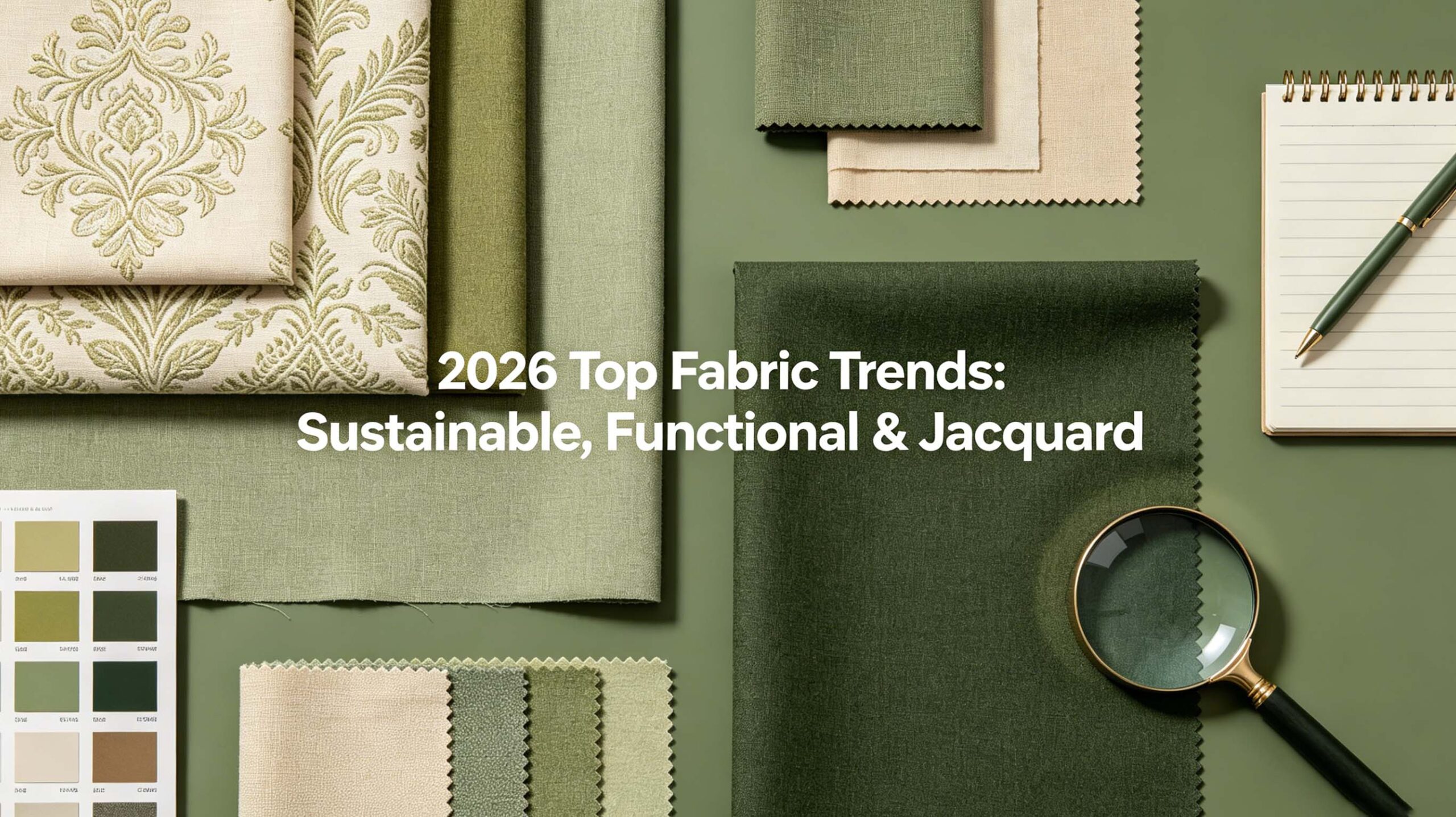
As the textile industry steps into 2026, three megatrends—sustainability, functionality, and jacquard craftsmanship—are no longer niche options but core drivers of market competitiveness. Consumers and B 端 buyers now demand fabrics that are eco-friendly, high-performance, and aesthetically distinctive. Whether you’re sourcing for fashion, home textiles, or contract upholstery, understanding these trends will help you align with global demands, reduce risks, and capture premium value. Below is a deep dive into each trend, key innovations, and practical sourcing insights.
1. Sustainable Fabrics: From "Nice-to-Have" to "Must-Have"
Sustainability has evolved from a marketing buzzword to a non-negotiable requirement, driven by stricter global regulations (e.g., EU CBAM, GRS) and rising consumer awareness. In 2026, sustainable fabrics will dominate sourcing decisions, with a focus on circularity, low-carbon production, and certified transparency.
Key Materials & Innovations
-
Recycled Fibers (rPET, ECONYL, Recycled Cotton)
- rPET (recycled polyester): Made from post-consumer plastic bottles and ocean-bound plastics, rPET now matches virgin polyester’s durability and performance. Its application in jacquard and functional fabrics surged from 8% in 2023 to 22% in 2026.
- ECONYL: Regenerated nylon from fishing nets and industrial waste, ideal for swimwear, activewear, and outdoor jacquard fabrics.
- Recycled cotton: Reduces water usage by 91% vs. conventional cotton; widely used in casual apparel and home textiles with GRS certification.
-
Regenerated Cellulosic Fibers (Tencel/Lyocell, ECOVERO)
- Tencel/Lyocell: Derived from sustainably managed eucalyptus forests, 100% biodegradable, with a silky hand feel and excellent breathability. Perfect for luxury jacquard dresses and bedding.
- ECOVERO: Eco-viscose produced in a closed-loop system that recovers 99% of chemicals and water, softer than conventional viscose and ideal for flowy blouses and curtains.
-
Natural & Bio-Based Fibers (Organic Cotton, Hemp, PLA)
- Organic cotton: Grown without pesticides, 20–40% more expensive but essential for babywear and premium bedding.
- Hemp: Ultra-durable, breathable, and carbon-negative; blended with cotton for workwear and rustic jacquard upholstery.
- PLA (Polylactic Acid): Made from corn starch, heat-resistant and wrinkle-resistant, replacing petroleum-based polyester in home textiles.
Critical Certifications for Sourcing
- GRS (Global Recycled Standard): Verifies recycled content and ethical production (mandatory for EU/US brands).
- GOTS (Global Organic Textile Standard): Ensures organic fibers and non-toxic processing.
- OEKO-TEX Standard 100: Confirms no harmful substances, critical for apparel and bedding.
2. Functional Fabrics: Performance Meets Comfort (2026 Focus)
Functionality is no longer limited to sportswear—2026 sees everyday fabrics integrating high-tech features to enhance durability, comfort, and versatility. The trend "performance for all" means waterproof, anti-wrinkle, and antibacterial properties are now standard for apparel, home textiles, and upholstery.
Hottest Functional Finishes & Features
-
Waterproof & Water-Repellent (Hydrophobic Finishes)
- Advanced nano-coatings (PFAS-free) make fabrics water-resistant while maintaining breathability—ideal for outdoor jackets, shower curtains, and patio upholstery.
- Jacquard fabrics with inherent water-repellent weaves (no chemical coatings) gain popularity for sustainable outdoor furniture.
-
Anti-Wrinkle & Shape-Retention
- Low-molecular-weight crosslinking technology eliminates creases without sacrificing softness—perfect for travel wear, formal shirts, and hotel bedding.
- Blends of Tencel + polyester deliver natural drape with permanent wrinkle resistance.
-
Antibacterial & Odor-Resistant
- Silver-ion and plant-based (e.g., tea polyphenol) finishes inhibit bacteria growth—critical for activewear, bedding, and medical textiles.
- 2026 innovation: permanent antibacterial jacquard (yarns infused during spinning, not just surface-treated).
-
UV Protection (UPF 50+)
- Built-in UV resistance blocks 98% of harmful rays—essential for summer apparel, curtains, and outdoor upholstery.
- rPET jacquard with UPF 50+ is a top choice for eco-friendly sun-protective clothing.
-
Smart & Comfort Functions
- Moisture-wicking: Microfiber blends pull sweat away from the skin—standard for activewear and loungewear.
- Thermo-regulating (phase-change materials): Keeps wearers cool in summer and warm in winter—used in premium bedding and sportswear.
- Anti-static: Reduces static cling for synthetic fabrics (key for winter apparel and electronics packaging).
3. Jacquard Fabrics: The Art of Weaving (Sustainable + Digital + Luxe)
Jacquard, once a luxury niche, is now a mainstream trend blending artistry, sustainability, and digital innovation in 2026. Unlike printed fabrics, jacquard weaves patterns directly into the fabric (no surface ink), making it durable, reversible, and eco-friendly. Modern computerized looms enable intricate designs, while sustainable yarns and digital production align with green demands.
2026 Jacquard Key Trends
-
Sustainable Jacquard (Recycled & Natural Yarns)
- rPET jacquard: Ocean plastic-derived yarns woven into damasks, florals, and geometrics—popular for luxury upholstery and outerwear.
- Tencel/lyocell jacquard: Silky, biodegradable, with subtle sheen—ideal for evening dresses and premium bedding.
- Organic cotton jacquard: Soft, matte, and chemical-free—used for baby blankets and rustic home decor.
-
Digital Jacquard: Efficiency + Customization
- AI-assisted design: Cuts development time by 70%—designs go from concept to loom in hours.
- Digital twin weaving: Virtual prototyping eliminates physical sample waste (material efficiency up to 95% vs. 80–85% for traditional methods).
- Small-batch flexibility: Modern looms switch designs in 15 minutes—perfect for limited-edition fashion and bespoke upholstery.
-
Aesthetic Trends: Patterns & Textures
- Eco-luxe motifs: Nature-inspired (botanicals, leaves, water ripples) and minimal geometrics—soft, earthy tones (olive, sand, terracotta) dominate.
- Digital organic patterns: High-definition cellular structures and "digital glitch" effects—unique, non-repeating designs for luxury fashion.
- Texture-forward jacquard: Raised weaves, 3D embossing, and mixed-yarn textures (e.g., linen + silk) for tactile appeal.
-
Key Applications in 2026
- Apparel: Evening gowns, blouses, outerwear, and loungewear (jacquard adds luxury without extra decoration).
- Home Textiles: Bedding, curtains, sofa upholstery, and table linens (durable, reversible, and fade-resistant).
- Contract Upholstery: Hotels, offices, and restaurants (stain-resistant, sustainable, and stylish).
Why These Three Trends Matter for Buyers
- Sustainability = Market Access: Certified sustainable fabrics are required for EU/US brands; non-compliant suppliers risk losing orders.
- Functionality = Customer Loyalty: Consumers pay 20–30% more for fabrics that are durable, comfortable, and low-maintenance.
- Jacquard = Premium Differentiation: Jacquard products have 35–45% higher margins than basic fabrics, helping brands stand out in a crowded market.
Final Sourcing Tips for 2026
- Prioritize certified sustainable fabrics (GRS/GOTS/OEKO-TEX) to meet global regulations.
- Test functional finishes for durability after washing (e.g., waterproof, antibacterial).
- For jacquard, choose suppliers with digital loom technology for flexibility and low MOQs.
- Request fabric swatches and test reports to verify quality before bulk orders.
CTA
Looking for 2026’s trending sustainable, functional, and jacquard fabrics? Contact our team for free samples, detailed parameter sheets, and customized sourcing solutions. We offer GRS-certified recycled fabrics, high-performance functional textiles, and digital jacquard options for apparel, home textiles, and upholstery.


