

10 Key Fabric Parameters Every Buyer Should Check

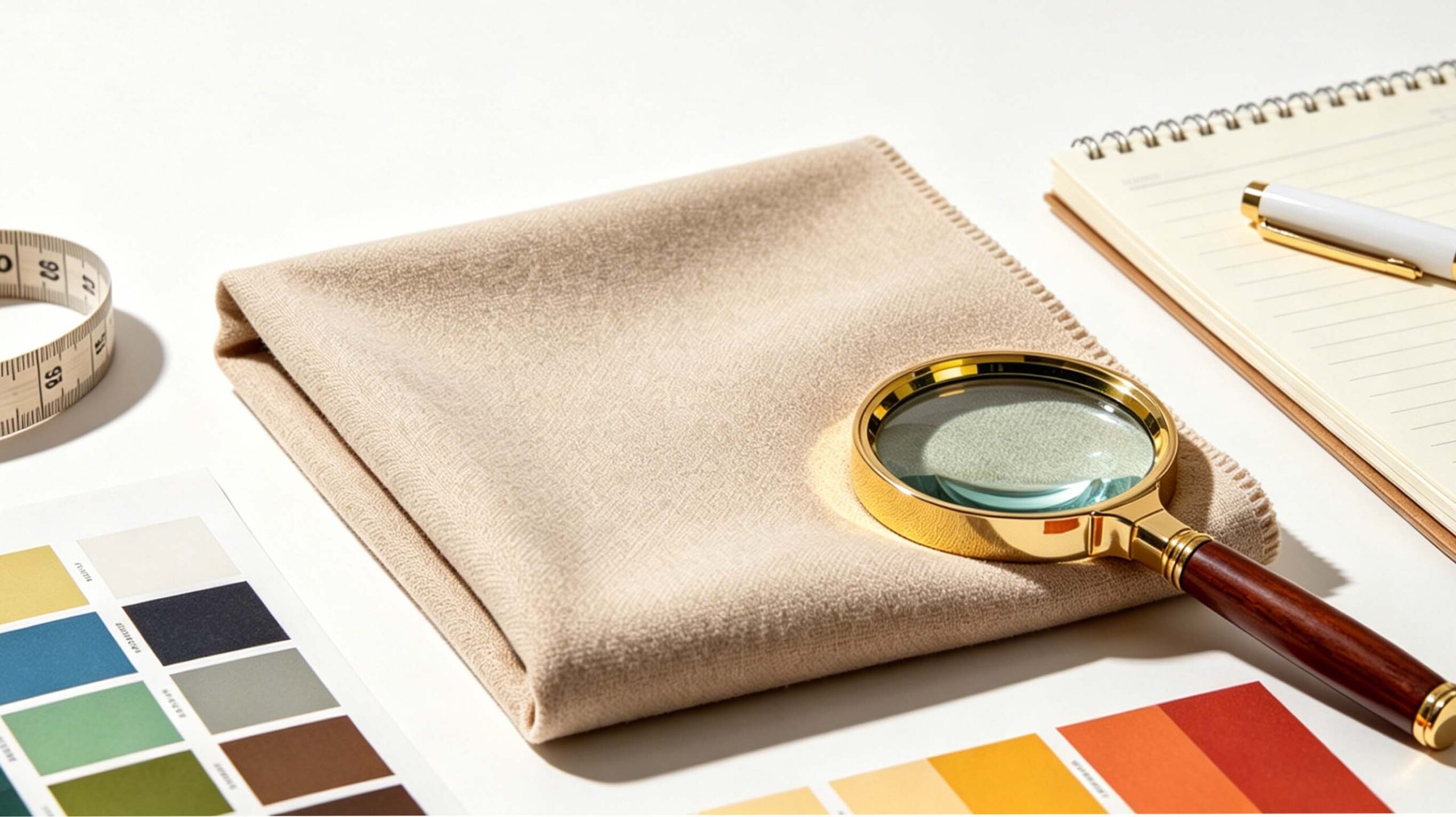
When sourcing fabrics for clothing, upholstery, curtains or other textile products, many buyers only focus on appearance and price. However, overlooking core fabric parameters will easily lead to quality issues, returned goods, delivery delays and extra costs. Whether you are a fashion brand, garment factory or home textile wholesaler, mastering these 10 essential fabric indicators will help you select qualified materials, control product quality and avoid sourcing risks. Below are the 10 must-check fabric parameters and detailed explanations for your reference.
1. Fabric Composition
Fabric composition refers to the raw fiber materials that make up the textile, such as linen, cotton, Tencel/Lyocell, polyester, nylon, rayon and blended fibers. It is the fundamental factor that decides the fabric’s hand feel, breathability, durability, shrinkage and wearing experience.
Pure natural fibers like linen and cotton feature excellent air permeability and skin-friendliness, ideal for summer apparel and daily bedding. Man-made fibers such as polyester and nylon deliver high strength, wrinkle resistance and waterproof performance, widely used for outerwear and functional textiles. Blended fabrics combine the advantages of multiple fibers to balance comfort and practicality. Always confirm the exact fiber ratio before bulk orders, and verify if the composition matches your product positioning and market certification requirements.
2. GSM (Grams per Square Meter)
GSM means the weight of one square meter of fabric, a standard parameter to judge fabric thickness and density. It directly affects the product’s thickness, warmth, drape and usage scenarios.
Lightweight fabrics below 100 GSM are commonly used for blouses, summer dresses and thin curtains. Fabrics between 100–250 GSM are mainstream for casual wear, shirts and regular home textiles. Heavyweight fabrics over 250 GSM suit coats, outerwear, thick upholstery and winter bedding. Do not judge fabric thickness by visual effect only; take the standard GSM test to ensure consistency between bulk goods and samples.
3. Fabric Width
Fabric width, also known as roll width, refers to the effective usable width of a fabric roll. It is closely related to material utilization rate and production cost for garment and home textile factories.
Common widths include narrow width, standard width and extra-wide width. Narrow fabrics are fit for accessories and small textile products. Standard width fabrics are widely used for daily apparel. Extra-wide fabrics are the first choice for bed sheets, tablecloths and large-area sofa fabrics. Make sure the fabric width fits your cutting layout. Unmatched width will cause serious material waste and increase production costs.
4. Yarn Count & Density
Yarn count represents the thickness of raw yarn, while fabric density refers to the number of warp and weft yarns within a fixed area. These two parameters jointly determine the fabric’s compactness, firmness and surface texture.
High-count yarn creates fine, smooth and soft fabric surface, usually applied to high-end clothing and luxury home textiles. Low-count yarn fabrics are thicker and more wear-resistant, suitable for workwear and heavy-use textiles. Higher warp and weft density means a tighter structure, better anti-tear performance and lower permeability. For jacquard and printed fabrics, stable yarn count and density can also guarantee clear patterns and no distortion.
5. Color Fastness
Color fastness tests how well fabric retains its original color under external influences, including washing fastness, rubbing fastness, light fastness and perspiration fastness. It is a core quality indicator for all dyed and printed fabrics.
Poor color fastness will result in fading, color bleeding and staining other clothes during wearing or cleaning, which greatly damages brand reputation. Apparel fabrics need to meet strict standards for washing and perspiration fastness. Curtains and outdoor textiles require outstanding light fastness against long-time sunlight. Always ask suppliers for color fastness test reports, especially for dark-color and bright-color fabrics.
6. Shrinkage Rate
Shrinkage rate refers to the percentage of fabric size change after washing or soaking, one of the most concerned indicators for garment manufacturers.
Fabrics with excessive shrinkage will lead to deformed finished products, wrong size and customer complaints after washing. Natural fibers like pure cotton and linen have relatively higher natural shrinkage, while qualified finished fabrics should go through pre-shrinking treatment. Normal qualified fabric shrinkage rate is controlled within the industry standard range. Confirm the warp and weft shrinkage data separately, and reserve reasonable size allowance during pattern making.
7. Tensile & Tear Strength
Tensile strength and tear strength reflect the fabric’s ability to resist pulling and tearing, which decides the service life of finished products.
Functional clothing, workwear, outdoor textiles and sofa upholstery all require high tear resistance. Thin fabrics for dresses focus on balanced tensile performance. Fabrics with insufficient strength are easy to crack and damage during sewing, wearing and daily use. For products that need frequent friction and pulling, you must strictly check this parameter to ensure long-term durability.
8. Hand Feel & Drape
Hand feel is the tactile sensation when touching the fabric, such as soft, stiff, smooth, rough or crisp. Drape means how naturally the fabric hangs down, which is vital for styling effect.
Dresses, blouses and formal clothes need soft and elegant drape to present beautiful lines. Outerwear and decorative fabrics need a certain sense of stiffness to keep the shape. Linen fabrics feature a natural crisp hand feel, while Tencel fabrics are silky and soft. You need to confirm hand feel and drape with physical samples, and require bulk products to keep consistent with the approved sample.
9. Functional Finishing Properties
With the upgrade of textile demands, functional finishing has become a common parameter for modern fabrics. Common functions include waterproof, windproof, anti-static, UV protection, anti-wrinkle, breathable and antibacterial treatment.
Different application scenarios correspond to different functional requirements: outdoor fabrics need waterproof and UV resistance; formal clothes prefer anti-wrinkle finishing; bedding and close-fitting clothes are suitable for antibacterial treatment. Clarify required functions and corresponding test standards in advance, and confirm that the functional effect will not disappear after repeated washing.
10. Roll Length & Packaging Standard
Roll length and packaging are easily ignored but practical parameters for bulk import and warehouse management.
Standard fabric roll length affects cutting plan and inventory management. Unified roll weight, roll diameter and packaging can facilitate container loading, transportation and storage. Irregular roll length will increase leftover materials and management troubles. Meanwhile, confirm the packaging mode (waterproof film, woven bag, label marking) to avoid fabric contamination, dampness and damage during long-distance international transportation.
Final Tips for Buyers
All the above 10 parameters are linked to fabric quality, production cost and final product experience. Before placing a large order, we suggest you confirm samples, test reports and parameter lists one by one, and sign clear technical requirements in the contract.
If you are looking for reliable linen, Tencel, jacquard, printed and home textile fabrics with complete parameter certification and stable quality, feel free to contact our team for free samples, detailed parameter sheets and customized solutions. We support bulk wholesale and OEM customization to meet your diverse sourcing needs.


