

Tencel, Modal & Linen: The Ultimate Guide to Biodegradable, Water-Saving & Low-Carbon Fabrics

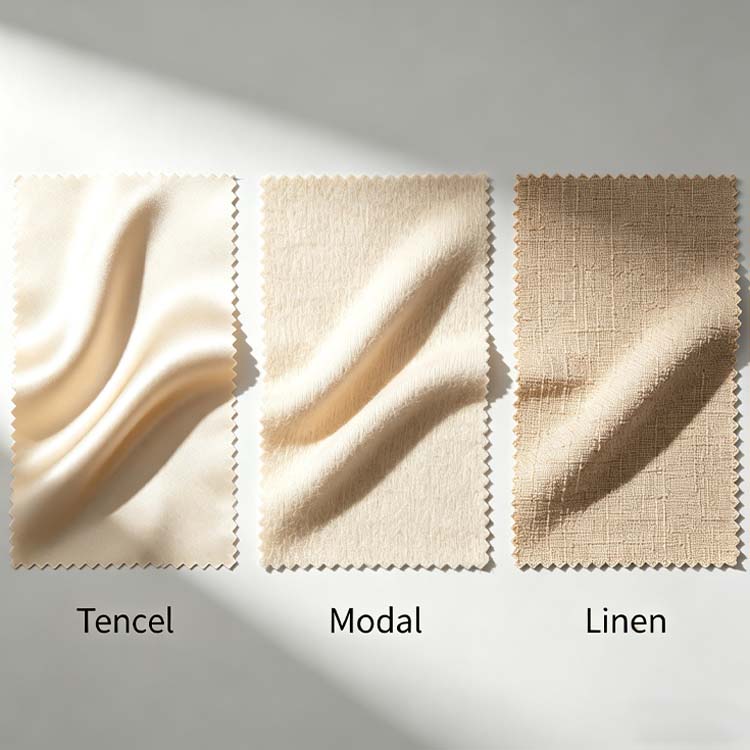
In 2026, fashion is no longer just about looking good—it’s about doing good. As conscious consumers, we are increasingly asking: “Where did my clothes come from, and where will they go?” If you are building a sustainable wardrobe that aligns with a greener lifestyle, three fabrics stand out above the rest: Tencel™ (Lyocell), Modal, and Linen.
These aren’t just buzzwords; they represent a revolutionary shift towards biodegradable, water-saving, and low-carbon textiles. Let’s dive into the science behind these eco-warriors and discover why they are the ultimate choice for the planet—and your skin.
♻️ Fully Biodegradable: From Nature, Back to Nature
- Tencel™ & Modal: These regenerated cellulose fibers are derived from natural wood sources—Tencel typically from eucalyptus and Modal from beech trees. Because they are plant-based, garments made from these fibers can naturally decompose in soil, industrial compost, and even marine environments, returning harmlessly to the earth without leaving toxic residues.
- Linen: Made from the flax plant, linen is one of the oldest and most natural fabrics in human history. It is 100% biodegradable and incredibly resilient. When discarded, a pure linen garment breaks down quickly and naturally, completing its lifecycle with zero environmental guilt.
Eco-Win: Choosing these fabrics means you are actively rejecting plastic pollution and supporting a true circular fashion economy.
💧 Remarkable Water Savers: Quenching Fashion's Thirst
- Linen's Drought Resistance: Flax plants are incredibly hardy and thrive on rainwater alone. Unlike cotton, which demands heavy irrigation, flax requires little to no artificial watering. Producing linen fabric uses significantly less water than many other natural fibers, making it a champion of water conservation.
- Tencel™ & Modal Efficiency: The production processes for these wood-pulp fibers are highly optimized. For instance, the manufacturing of certain eco-friendly viscose and lyocell fibers can use over 50% less water and energy compared to generic alternatives. By choosing these woodsourced fibers, you are saving thousands of liters of precious freshwater.
☁️ Low-Carbon Footprint: Breathing Easier for the Planet
- Closed-Loop Technology: The production of Tencel™ Lyocell is famous for its award-winning "closed-loop" process. This means that over 99% of the water and solvents used to turn wood pulp into fiber are recovered, purified, and reused again and again. This drastically cuts down on chemical waste and energy consumption. Similarly, Modal production utilizes highly efficient solvent recovery systems, ensuring minimal environmental leakage.
- Carbon Sequestration & Clean Processing: The forests that supply the wood for Tencel and Modal are often sustainably managed (FSC® or PEFC™ certified). These trees absorb CO₂ as they grow, acting as natural carbon sinks. Furthermore, because linen processing is largely mechanical rather than heavily chemical, its overall carbon emissions remain exceptionally low. Studies show that shifting to these low-carbon fabrics can reduce greenhouse gas emissions by 30% to 65% compared to traditional synthetics.
✨ Why They Are Worth the Investment
| Fabric | Key Eco-Benefit | Feel & Performance |
|---|---|---|
| Tencel™ (Lyocell) | Closed-loop production & 99% solvent recovery | Silky smooth, breathable, and excellent moisture control |
| Modal | Sustainably sourced beechwood & low water usage | Incredibly soft, resistant to pilling, and retains vibrant colors |
| Linen | Rain-fed cultivation & zero-waste biodegradability | Crisp, cool, highly durable, and gets softer with every wash |
Building a sustainable closet starts with understanding the materials next to your skin. By choosing garments made from Tencel, Modal, and Linen, you are voting for cleaner water, lower carbon emissions, and a waste-free future. It’s time to embrace fashion that feels good, looks good, and does good.


