

Nylon vs. Polyester: The Ultimate Guide to Functional Fabrics (Windproof, Waterproof & More)

When shopping for high-performance gear—from sleek yoga pants to rugged outdoor jackets—you’ve probably stared at the fabric tag wondering: “What’s the actual difference between Nylon and Polyester?”
In 2026, functional fashion isn’t just a trend; it’s a lifestyle requirement. Whether you are hiking in the mountains or commuting in the city rain, understanding the tech behind your clothes is key to making the right choice. Today, we’re demystifying the battle of the synthetics—Nylon vs. Polyester—and breaking down the buzzwords like Waterproof, Breathable, Anti-static, and the famous “Three-Proof” technology.
🧥 Nylon vs. Polyester: The Ultimate Guide to Functional Fabrics (Windproof, Waterproof & More)
⚔️ The Core Showdown: Nylon vs. Polyester
- Polyester (The Stalwart Defender): Known for its excellent resilience and shape retention. Polyester fibers are naturally stiffer, making fabrics feel crisp and structured. It has great UV resistance and dries incredibly fast, making it a top pick for sun-exposed activities and high-sweat workouts.
- Nylon (The Soft Warrior): Also known as Polyamide, Nylon is the king of abrasion resistance—it’s tougher than steel by weight! It feels softer, smoother, and more luxurious against the skin (often used in premium "naked-feel" activewear). However, it absorbs slightly more moisture than polyester, which can make it feel heavier when wet.
Quick Tip: If you need structure and quick-drying properties, go for Polyester. If you want extreme durability and a buttery-soft touch, choose Nylon.
🌬️ Windproof: It’s All About Density
💧 Waterproof & The "Three-Proof" Magic
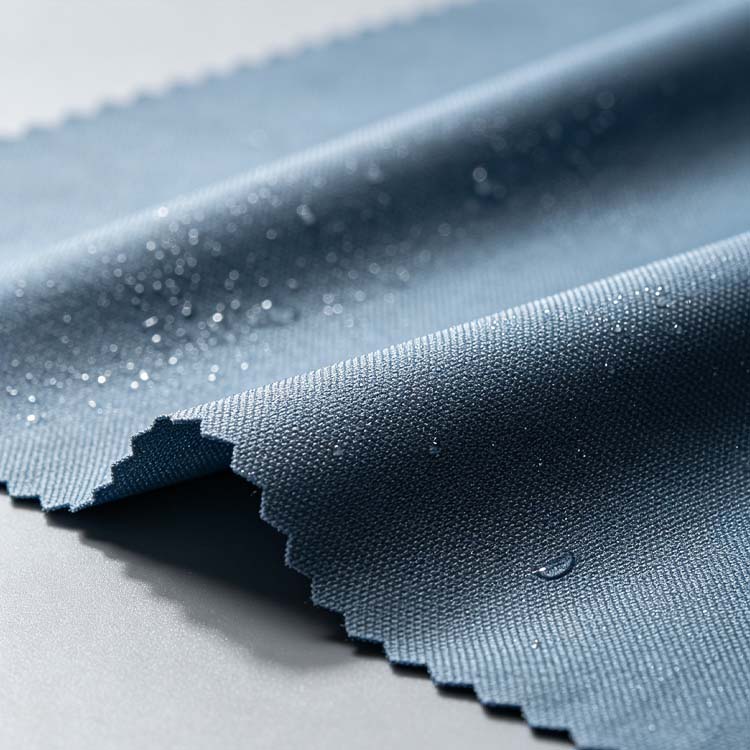
- The Lotus Effect: Imagine water rolling off a lotus leaf. That’s exactly what this technology mimics. The treatment lowers the surface energy of the fabric fibers. When water, oil, or dirt hits the surface, it beads up and rolls right off instead of soaking in.
- Beyond Rain: While standard waterproofing stops rain, "Three-Proof" takes it a step further. It protects your gear (and your style) from accidental coffee spills, cooking oil splatters, or muddy splashes during a hike. It makes your life significantly easier—less washing, more wearing!
🌫️ Breathability: The Comfort Factor
⚡ Anti-Static: No More Shocking Surprises
🏁 Final Verdict: How to Choose?
| Feature | Best Choice | Why? |
|---|---|---|
| Heavy Duty / Hiking | Nylon | Superior abrasion resistance and tear strength. |
| Running / Summer Sports | Polyester | Better UV resistance, lighter, and dries faster. |
| Luxury Activewear | Nylon | Softer hand-feel and better elasticity recovery. |
| Budget-Friendly Gear | Polyester | Generally more cost-effective without sacrificing durability. |
Whether you opt for the rugged toughness of Nylon or the resilient versatility of Polyester, modern textile technology ensures you stay protected, dry, and comfortable. Next time you check a label, you'll know exactly what those high-tech features are doing for you.


