

How to Choose Outerwear & Down Jacket Fabrics: A Pro Guide to Weight, Density, and Durability Standards

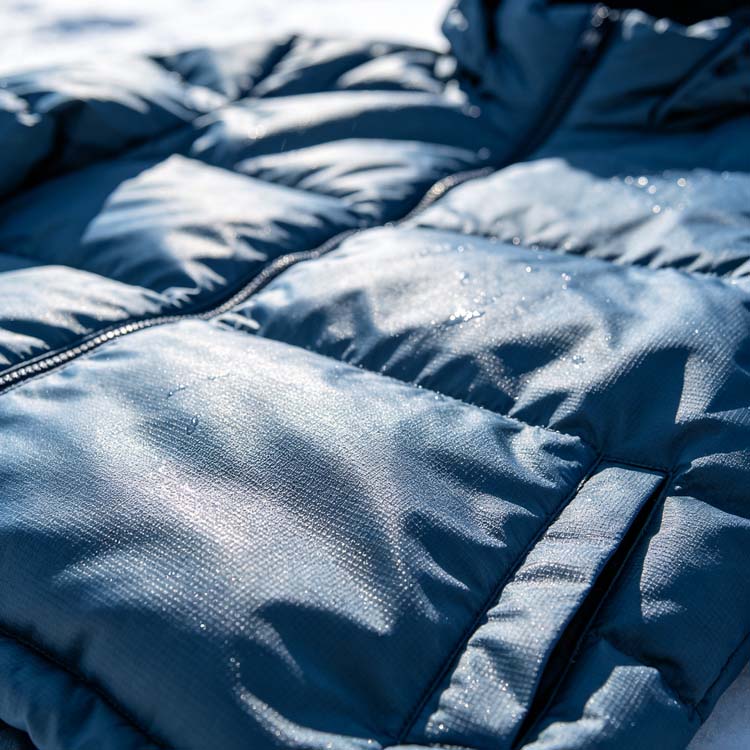
When investing in a high-quality coat or down jacket, most people focus on style and warmth. But what truly separates a fast-fashion piece that lasts one season from a timeless staple that stays in your wardrobe for years? The answer lies in the fabric's technical specifications.
In 2026, smart shoppers look beyond the label’s price tag. To help you make the best choice, we’ve broken down the five critical metrics you need to know: Fabric Weight (GSM), Thread Density, Windproof Ratings, Wash Durability, and Color Fastness Standards. Let’s dive into the science behind staying warm and looking good.
⚖️ Fabric Weight (GSM) & Denier: Balancing Warmth and Feel
You might see terms like "20D" or "40D" on outdoor gear tags. This refers to Denier (D), which measures the thickness and weight of the individual fibers.
- Low Denier (10D - 20D): Ultra-lightweight and silky soft. Perfect for packable down jackets meant for mild winters or layering. However, they can be more delicate.
- High Denier (30D - 80D+): Heavier, thicker, and incredibly tough. If you need a rugged shell for hiking or extreme weather, higher denier fabrics offer superior tear resistance.
Closely related is GSM (Grams per Square Meter). While this often refers to the down fill weight in jackets, in general outerwear, a higher GSM fabric usually indicates a tighter, more substantial weave that feels more premium and offers better wind protection.
🛡️ Thread Density: The Secret to No-Leak Jackets
The biggest fear with any down jacket is the dreaded "leak"—feathers poking through the fabric. The solution is all about Thread Density. High-density fabrics are woven so tightly that there are simply no gaps large enough for feathers to escape.
Quick Tip: How can you test this in-store? Hold the fabric up to a bright light. If you can see distinct gaps between the threads or if a lot of light shines through, the density is likely too low, and it will eventually leak. You can also gently rub the fabric between your fingers; if you feel tiny prickles coming through, skip it!
🌬️ Windproof Ratings: Understanding the Numbers
A stylish coat is useless if the wind cuts right through it. Modern functional fabrics use specific air permeability ratings to determine how well they block cold drafts. In industry standards, a lower number means better windproofing.
- Standard Protection: A透气率 (air permeability) of around 50mm/s provides decent protection for daily city commuting.
- AAA-Grade Protection: High-performance outerwear aims for ≤5mm/s. At this level, the fabric acts as a solid shield against harsh winds, locking in your body heat even in blustery conditions.
Always check if the product description mentions "high-density windproof" or specific permeability tests to ensure you're getting true protection.
💧 Wash Durability: Will it Pill or Fade?
No one wants their expensive coat to look worn out after a few washes. Wash durability involves two main things: physical strength and coating longevity.
- Physical Integrity: Quality Nylon and Polyester blends are engineered to resist pilling and deformation. They should bounce back to their original shape after washing, not shrink or warp.
- Coating Retention: Many jackets rely on a DWR (Durable Water Repellent) finish to shed rain. A high-quality fabric maintains its water-beading ability even after multiple wash cycles. Look for brands that specify their coatings are durable or easily rejuvenated with heat.
🎨 Color Fastness: Keeping Your Coat Vibrant
Have you ever taken off a dark coat to find your light-colored sweater covered in dye? That’s poor Color Fastness. This standard measures how well a fabric resists fading or transferring color due to sweat, rubbing, sunlight, or washing.
According to national quality standards (like GB/T 14272), premium apparel must pass rigorous tests for:
- Rubbing Fastness: Ensures color doesn't transfer when you carry a bag or sit down.
- Perspiration Fastness: Prevents discoloration from body sweat.
- Light Fastness: Keeps your vibrant red or deep navy jacket from fading under the sun.
A simple trick? Take a clean white cloth and rub it firmly on the garment. If any color transfers to the cloth, the color fastness is subpar.
🏁 Final Verdict: What Should You Look For?
Choosing the right outerwear doesn't have to be complicated. By keeping these five standards in mind, you can spot quality instantly:
| Metric | What to Look For | Why It Matters |
|---|---|---|
| Denier / Weight | 20D+ for daily wear, 40D+ for outdoors | Balances lightweight comfort with durability. |
| Density | No visible gaps against light | Prevents feather leakage and improves wind resistance. |
| Windproof | Low air permeability (≤5mm/s is ideal) | Locks in body heat during cold, windy days. |
| Durability | Resists pilling & retains DWR coating | Ensures the jacket looks new and functions well for years. |
| Color Fastness | Passes rubbing & sweat tests | Keeps your garment vibrant and prevents staining other clothes. |
Investing in a jacket that scores high on these technical standards means you aren't just buying a piece of clothing—you’re buying reliable protection and lasting style. Next time you shop, don't just touch the fabric—check the specs.


